
Copy Nothing. Except What People Already Know.
Source: Jaguar
Jaguar, the paradox of originality, and why the future needs a little familiarity.
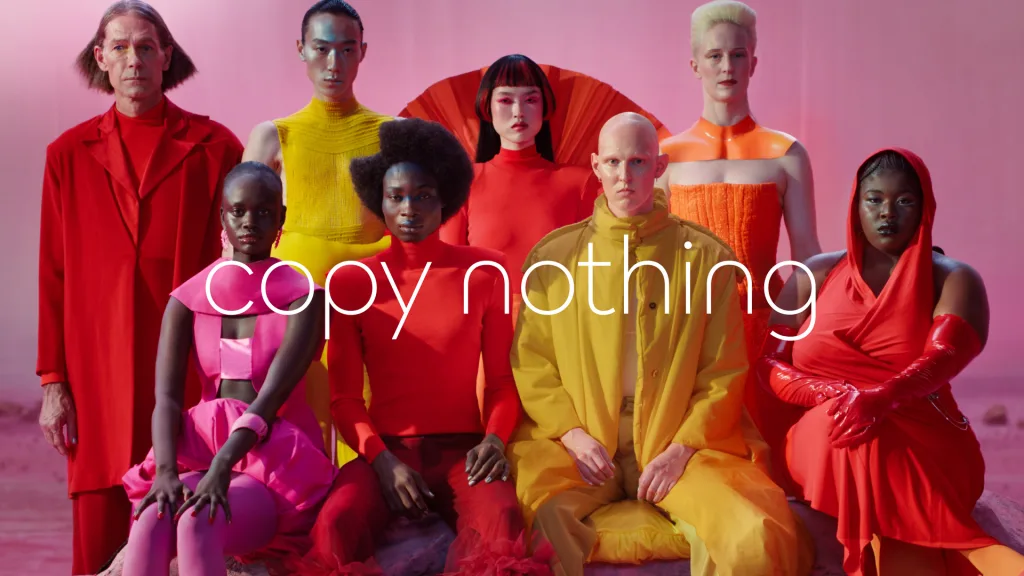
In November 2024, instead of sharing the future of the company through a concept car, Jaguar told the world to Copy Nothing. Then it abandoned almost everything people recognised about the brand. The familiar brand codes were dropped for an avant-garde world of art, fashion and extravagant colours that accompanied their worldview.
People’s gator brains broke. The internet collectively shit itself with critics declaring Jaguar dead and fans celebrating its audacity.
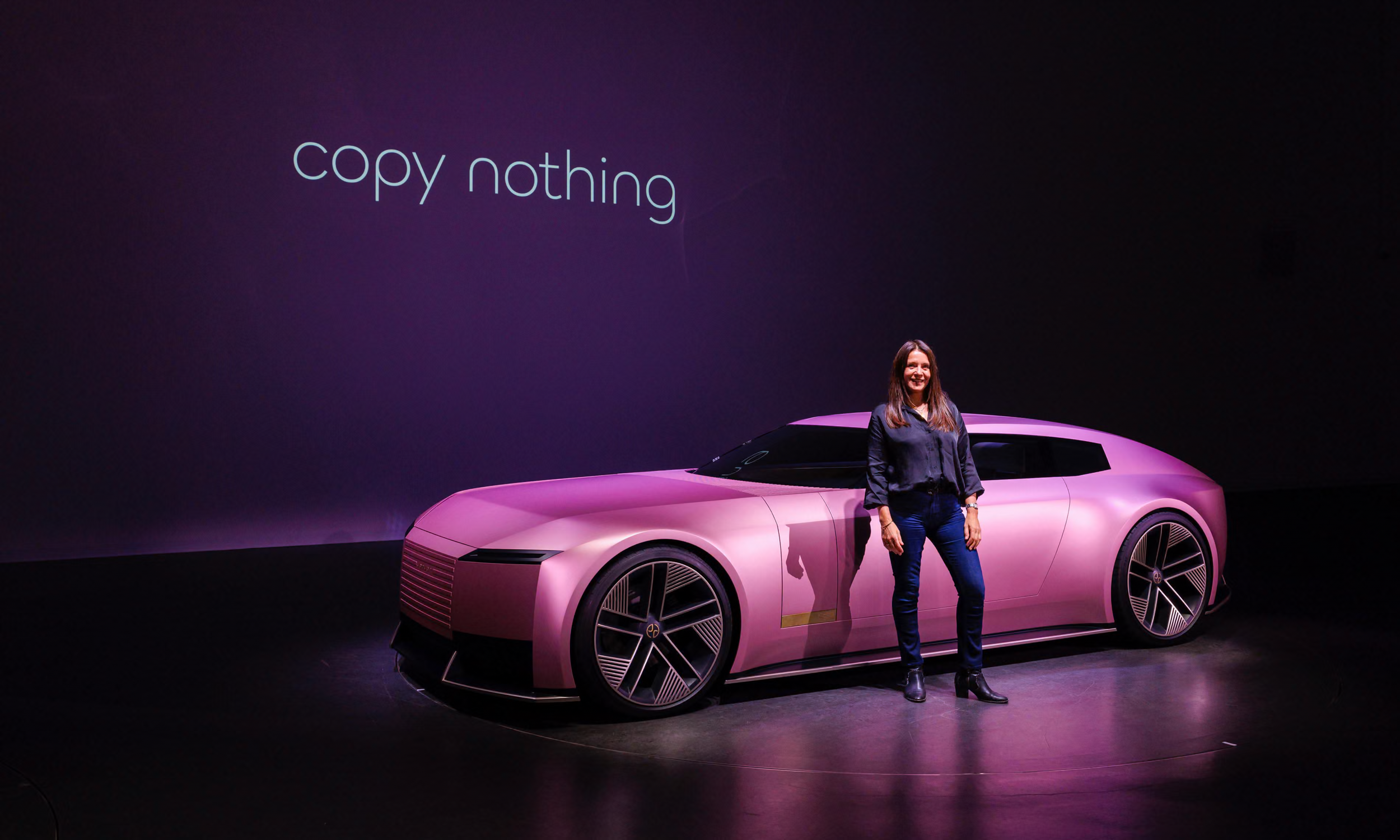
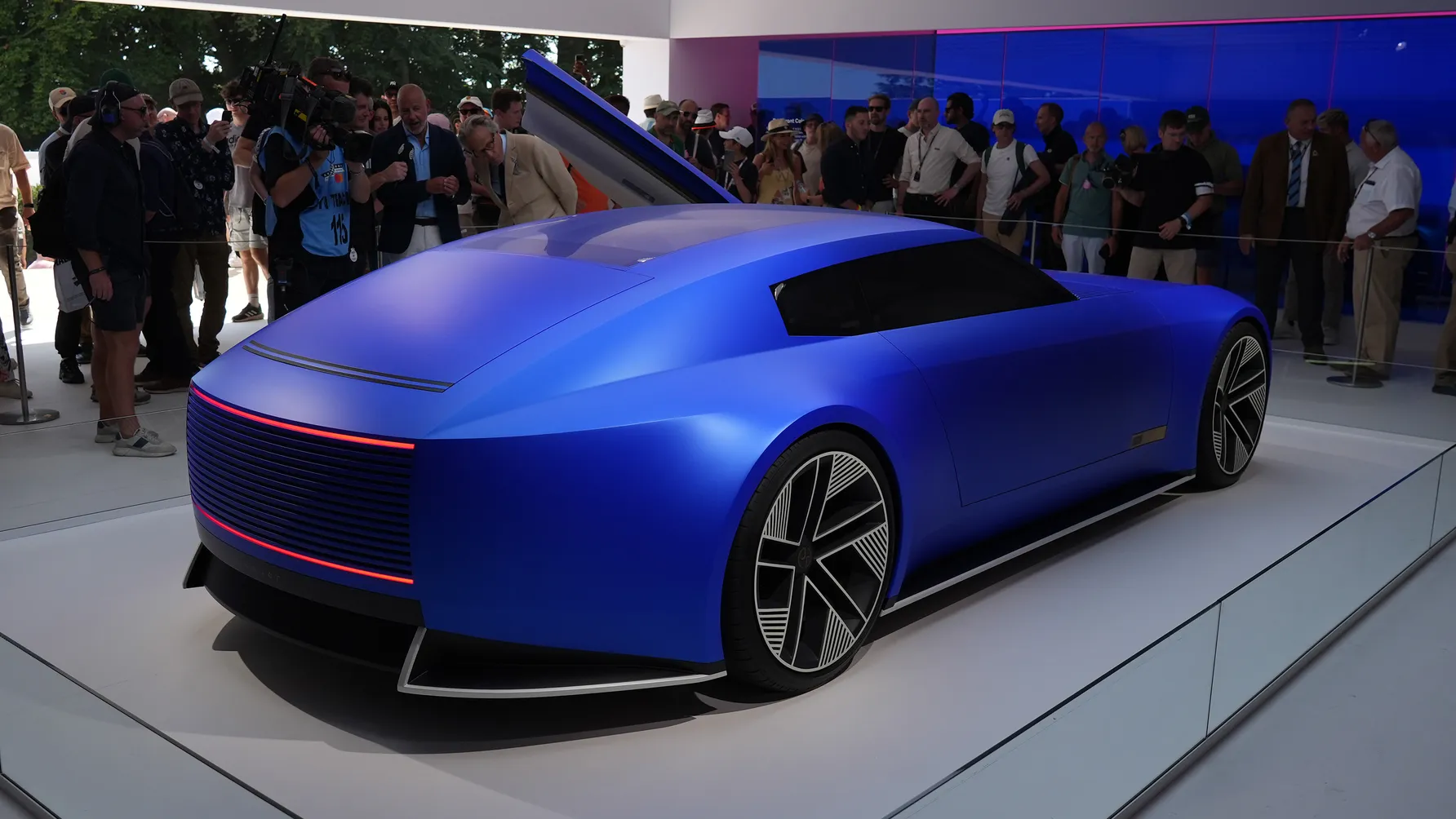
Weeks later, Jaguar unveiled the Type 00 concept, a killler electric car in Miami Pink and London Blue.
Source: The Guardian
Source: TopGear
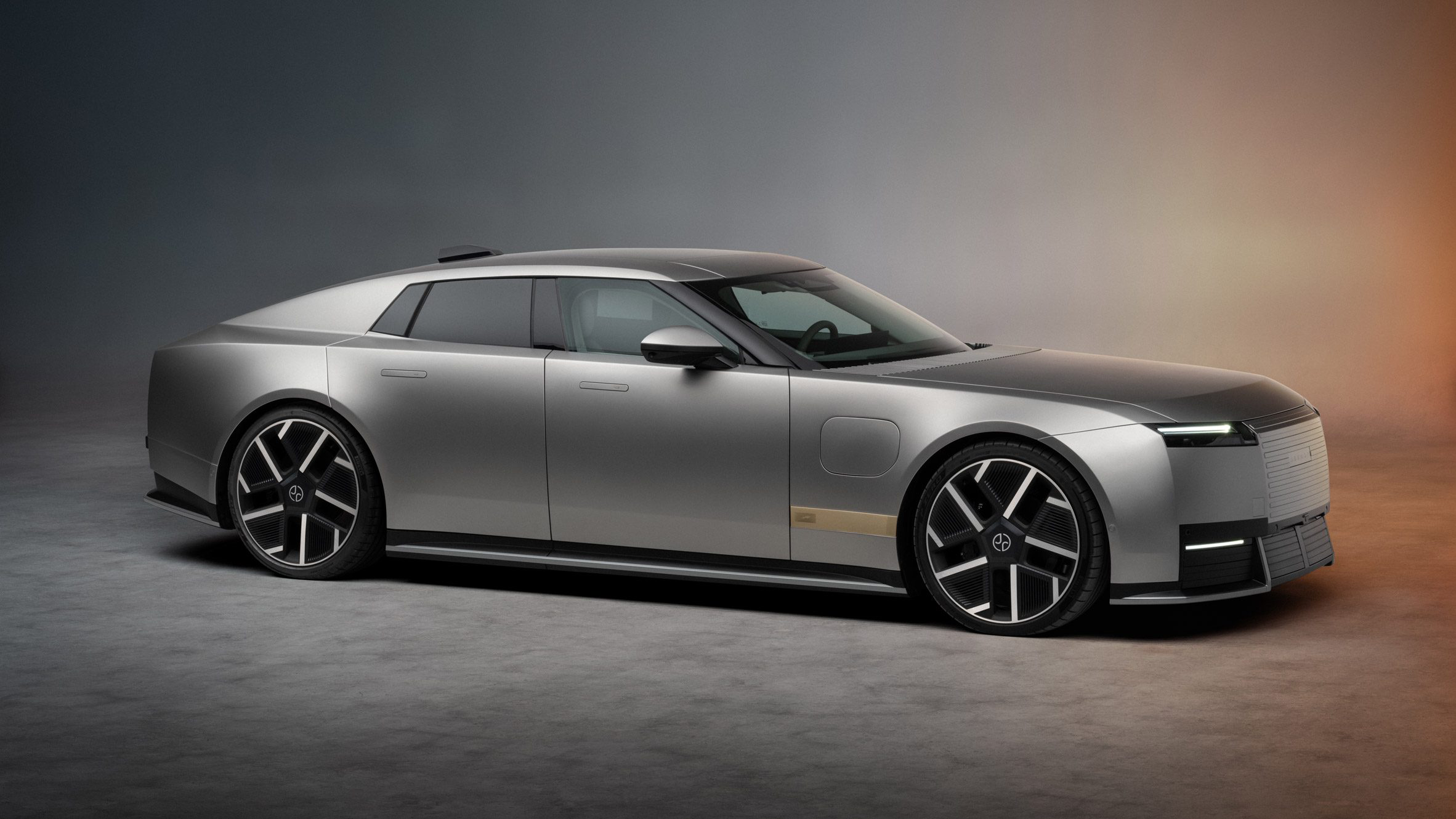
Fast-forward to October 2026. Jaguar unveiled the Type 01, bringing that vision closer to production.
In silver. Visionary Silver Satin.
Source: Dezeen
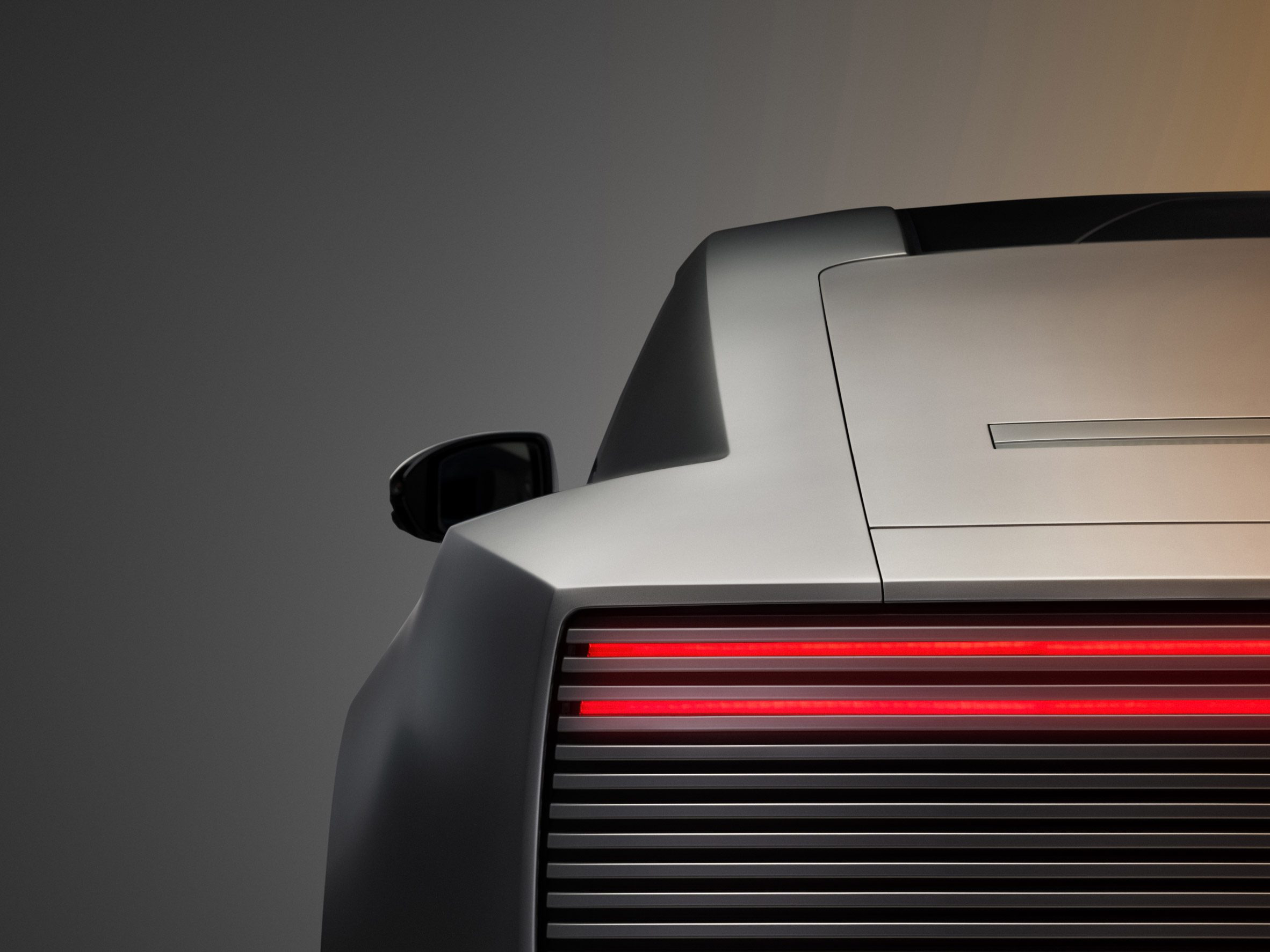
Source: Dezeen
The brand that declared war on convention returned to one of the safest colours in luxury auto.
I doubt they lost their nerve, but maybe they rediscovered something fundamental about human Nature.
Most Advanced Yet Acceptable
We humans have a complicated relationship with novelty. We’re drawn to the new, but reassured by the familiar.
Industrial designer Raymond Loewy called it MAYA: Most Advanced Yet Acceptable.
The principle suggests that successful innovation balances novelty with familiarity.
Too familiar and there’s nothing worth noticing.
Too unfamiliar and there’s nothing to hold on to.
The principle expressed as a rule to live by is something like:
When a technology is unfamiliar, make its expression familiar. When a technology is familiar, make its expression unexpected.
Jaguar’s reinvention mucked this up. The big cat had a new technology, positioning, identity, audience and aesthetic. Almost everything changed everywhere all at once.
The brand demanded a leap of faith without an obvious bridge to the future.
From a MAYA perspective, Jaguar erased too much of the current understanding.
The CREATOR’s dilemma
Archetypally, Jaguar’s Copy Nothing philosophy expresses the CREATOR, specifically the ARTIST.
Driven by imagination and originality, the CREATOR seeks to make something extraordinary.
But Jaguar’s historic emotional power also draws from the LOVER—beauty, sensuality, performance and desire.
Creation is the means. Desire is the outcome.
The CREATOR wants to make something different.
The LOVER wants to make something irresistible.
At their best, these motivations reinforce each other.
At their worst, originality becomes an end in itself. Difference attracts attention without inspiring desire. Or adoption.
That’s what makes Jaguar’s return to silver interesting. The Type 01 retains its dramatic proportions and unconventional design. But its familiar colour provides a recognisable expression of luxury.
I have no clue if the decision was driven by controversy, but it highlights MAYA’s central tension:
The more unfamiliar the proposition, the more valuable familiar cues can become.
The challenge is making originality approachable without making it boring AF.
Culture creates a bridge
People don’t experience products in a vacuum. They interpret them through Culture—familiar symbols, conventions and meanings—that help them understand what’s new.
Jaguar’s heritage is made up of more than logos and petrol engines. Its meaning is loaded with associations of beauty, performance, sensuality and British character.
Those meanings weren’t necessarily obstacles to reinvention, but they could have been its bridge.
Changing behaviour requires making something unfamiliar meaningful through what people already understand.
The jury’s still out on Jaguar’s commercial turnaround, but I’m betting on them. Their journey from Copy Nothing to Visionary Silver is telling.
Originality attracts attention and familiarity creates understanding. Together, they can inspire desire.